
Female Hair Loss Treatment in Ahmedabad, Gujarat - ADORN
Hair thinning in women has many causes. Finding yours comes first.
Is your parting getting wider, your ponytail thinner, or are you losing more hair after pregnancy, PCOS or a thyroid problem? Hair loss in women is common and treatable, but the cause is often different from men and more than one reason may be involved. At ADORN, Ahmedabad, Dr Harsh Amin checks your history, scalp and blood tests to find what is causing your hair fall. He then plans treatment such as medicines, PRP, GFC or treating the underlying cause, and explains what result you can realistically expect.






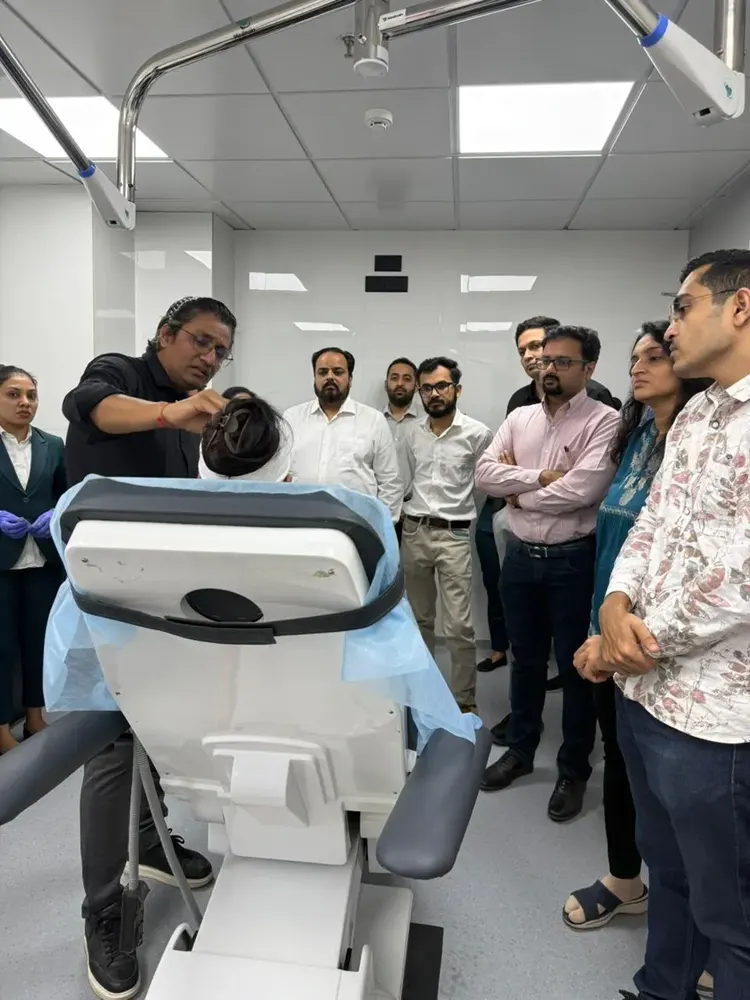
Dr Harsh Bharat Amin
Board-certified plastic surgeon · 18+ years of experience
Female hair loss at ADORN is assessed by Dr Harsh Amin, a board-certified plastic surgeon with 18+ years of experience — with the right tests before any treatment.
In women, hair loss is rarely about one thing. Hormones, iron, thyroid, stress and genes often overlap, so the tests matter as much as the treatment.
Why it happens
What causes hair loss in women?
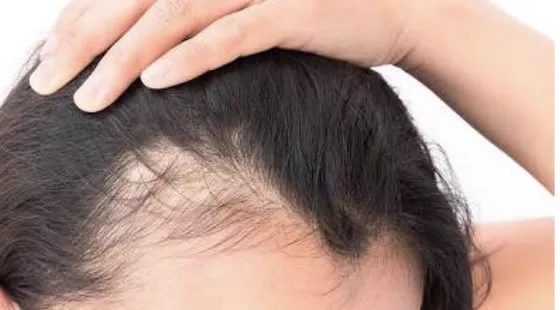
Hair loss in women usually shows as overall thinning rather than bald patches. You may notice a wider parting, more scalp showing on top, a thinner ponytail or more hair on the pillow and in the shower. Unlike men, women rarely lose their front hairline.
Many women have more than one cause at the same time, such as PCOS with low iron. That is why testing comes before treatment.
Common causes include
Female pattern hair lossHereditary thinning on top of the head, often starting in the 20s–40s or after menopause
Hair fall after pregnancyHeavy shedding a few months after delivery
PCOS and hormonal imbalanceHigher male-type hormones can thin scalp hair
Thyroid problemsBoth underactive and overactive thyroid
Low iron or ferritinCommon in Indian women, especially with heavy periods
Low vitamin D, B12 or proteinIncluding after crash dieting
Fever, illness or surgerySuch as dengue, typhoid or COVID-19
StressMajor life events can trigger shedding
MenopauseFalling oestrogen levels
Tight hairstyles and chemical treatmentsBraids, buns, rebonding, straightening
Scalp conditionsDandruff, seborrhoeic dermatitis, psoriasis
Patchy hair lossAlopecia areata
How a female hair loss plan works, in six steps
- 1History
- 2Scalp examination
- 3Blood tests
- 4Diagnosis
- 5Treatment plan
- 6Regular review
Two different problems
Hair fall vs hair thinning in women
Hair fall (shedding)
Many hairs come out at once — on the pillow, comb or in the shower. Often triggered by pregnancy, illness, stress or low iron.
- Often sudden
- Usually temporary once the cause is treated
- Spread all over the scalp
Hair thinning (female pattern)
Hair slowly becomes finer and less dense on top, with a wider parting. Often runs in the family or linked to hormones.
- Gradual over months or years
- Needs ongoing treatment
- Mainly on top of the head
Many women have both at the same time.
The treatment depends on the cause
Female hair loss treatment options at ADORN
Your plan depends on the cause, your age, whether you are pregnant, breastfeeding or planning pregnancy, and your general health.
Read the hair loss medicines guide- 01
Treating the underlying cause
Correcting low iron, vitamin D or B12, managing thyroid problems and treating scalp conditions. For hair fall caused by these, this may be enough on its own.
- 02
Minoxidil (lotion, foam or low-dose tablets)
The most studied medicine for female pattern hair loss. It helps hair stay in the growth phase longer and supports thicker hair. Low-dose tablets may be considered for some women under supervision.
- 03
Hormonal medicines
For selected women with PCOS or hormone-related thinning, medicines such as spironolactone or certain hormonal tablets may be considered — often together with your gynaecologist. These are not safe in pregnancy.
- 04
PRP hair treatment
Platelet-rich plasma from your own blood is injected into thinning areas. Often used along with medicines.
Learn about PRP - 05
- 06
Mesotherapy or QR678
Micro-injections of vitamins, peptides or ready-made formulations, with no blood draw.
Learn about mesotherapy - 07
Hair care advice
Gentler hairstyles, less heat and chemical treatment, and a scalp-care routine that suits you.
Hair care tips
Safety matters at every life stage
Pregnancy, breastfeeding and hair treatment
Some hair loss medicines are not safe if you are pregnant, breastfeeding or planning pregnancy. Always tell your doctor about:
- Pregnancy or plans to conceive
- Breastfeeding
- Contraception you use
- Irregular periods
Hair fall after delivery is common and often settles on its own within months. Your doctor will advise what is safe to use during this time.
The plan depends on the person
Who should see a doctor for hair loss?
See a doctor if you notice:
- A widening parting or more scalp showing on top
- Hair fall that has lasted more than 3 months
- Sudden heavy hair fall
- Bald patches
- Hair loss with irregular periods, acne or unwanted facial hair
- Hair loss with tiredness, weight changes or feeling cold
- Itching, redness, scaling or pain on the scalp
Assessment comes first. The right treatment depends on the cause, not on a standard package.
Book an assessmentYour first visit
What happens at a female hair loss consultation?
- 01
Talk about your history
When the hair loss started, periods, pregnancy, diet, stress, illness and family history.
- 02
Scalp examination
The doctor checks the pattern of thinning and your scalp health.
- 03
Tests if needed
Blood tests are advised based on your history.
- 04
Diagnosis and plan
The likely cause is explained, along with treatment options.
- 05
Baseline photos
Taken to compare progress over the coming months.
You leave the consultation knowing the likely cause of your hair loss and your treatment options.
Is it normal to lose hair every day?
Losing around 50 to 100 hairs a day can be normal. Women with long hair often notice it more. See a doctor if shedding suddenly increases, lasts for months, or your parting is getting wider.
Hair grows slowly
How long does female hair loss treatment take?
What to expect over time
- 01
Weeks 1–4
Treatment starts; tests are reviewed. Some women notice extra shedding when starting minoxidil — this is often temporary.
- 02
Months 1–3
Shedding often reduces, especially if a deficiency or thyroid problem has been corrected.
- 03
Months 3–6
Early new growth or thicker hair may become visible.
- 04
Months 6–12
Progress is compared with your first photos.
- 05
After 12 months
Female pattern hair loss usually needs ongoing treatment. Temporary hair fall often does not.
The exact timeline varies between individuals.
Results are gradual and differ from woman to woman.
Safety first
Possible side effects of treatment
Side effects depend on the treatment chosen. Your doctor will explain the risks of your chosen treatment and what to watch for.
- Minoxidil lotion — scalp itching, early shedding, unwanted facial hair
- Low-dose minoxidil tablets — facial or body hair, ankle swelling, dizziness
- Hormonal medicines — irregular periods, breast tenderness, dizziness; not safe in pregnancy
- PRP, GFC, mesotherapy — scalp tenderness, redness, small bruises for a day or two
- Supplements — stomach upset; harm if taken in excess without a deficiency
Seek prompt medical advice if you notice chest pain, fainting, a very fast heartbeat, sudden swelling or any unexpected symptom.
Results depend on more than the treatment
What affects results in women?
Finding every cause
Treating only one cause when there are two limits results.
Stage of thinning
Earlier treatment usually protects more hair.
Using treatment regularly
Missing doses or stopping early reduces benefit.
Hormonal and health changes
Pregnancy, menopause and thyroid changes can affect hair.
Combining treatments
Medicines with PRP or GFC are often used together.
What does the research say?
Minoxidil has the strongest evidence for female pattern hair loss. Low-dose oral minoxidil has growing evidence in women, with results similar to the lotion for many. PRP has shown benefit in some women as an add-on. Correcting iron, thyroid and vitamin problems helps when these are part of the cause.
In simple words
Most women can slow hair loss and improve thickness with the right diagnosis and regular treatment, but female pattern hair loss is managed, not cured.
Different life stages, different causes
Hair loss at different stages of a woman's life
Teenage years and 20s
Often linked to PCOS, low iron, crash dieting, stress or tight hairstyles.
After pregnancy
Heavy shedding 2–4 months after delivery is common and usually settles within months.
30s and 40s
Female pattern hair loss, thyroid problems and iron deficiency become more common.
Around menopause
Falling oestrogen can make female pattern thinning more noticeable.
Hair loss medicinesUnderstanding the key differences
Common causes of hair loss in women at a glance
| Cause | What you may notice | Tests that may help | Usual treatment approach |
|---|---|---|---|
| Female pattern hair loss | Wider parting, thinning on top | History, scalp exam | Minoxidil, sometimes hormonal medicines, PRP/GFC |
| After pregnancy | Heavy shedding 2–4 months after delivery | Iron, thyroid if needed | Often settles; correct deficiencies |
| PCOS | Thinning on top, irregular periods, acne | Hormone tests | Treat PCOS with gynaecologist; hair treatment |
| Thyroid problem | Diffuse hair fall, tiredness, weight change | Thyroid tests | Treat thyroid; hair recovers over months |
| Low iron | Diffuse hair fall, tiredness | Blood count, ferritin | Correct iron under supervision |
| Illness or stress | Sudden heavy shedding | Based on history | Often settles once trigger passes |
| Patchy hair loss | Round smooth bald patches | Scalp exam | Doctor-led treatment |
Your doctor will confirm the cause before suggesting treatment.
Female hair transplantWhat to expect to pay
Female hair loss treatment cost in Ahmedabad
The cost depends on the cause, the tests needed and the treatment chosen. Medicines are a monthly cost; in-clinic treatments like PRP or GFC are a course of sessions.
Your doctor will explain the full cost of your plan after assessment.
Your doctor explains the full course cost at consultation — before you start.
Understand your hair loss before you treat it
Female hair loss treatment in Ahmedabad, Gujarat
Many women in Ahmedabad and Gandhinagar try oils, shampoos, home remedies and supplements for months before seeing a doctor. Often the real cause — low iron, thyroid, PCOS or hereditary thinning — has not been checked. At ADORN, Dr Harsh Amin plans female hair loss treatment after a full assessment and the right tests. You will know what is causing your hair loss, which treatments are safe for your life stage, how long they take and what result is realistic.
“For most women, hair loss is treatable. The first step is knowing why it is happening.”
Female hair loss FAQ
Frequently asked questions
Your consultation will cover anything not answered here.
Why am I losing so much hair as a woman?
Common reasons include hereditary thinning, low iron, thyroid problems, PCOS, pregnancy, stress, illness and crash dieting. A doctor can find the cause with a history, scalp examination and blood tests.
Can female hair loss be treated?
Yes. Hair fall from deficiencies, illness or pregnancy often settles once the cause is treated. Female pattern hair loss can usually be slowed and improved with regular treatment, though it needs ongoing care.
Is hair loss after pregnancy normal?
Yes. Many women notice heavy shedding 2–4 months after delivery. It usually settles within months. See a doctor if it lasts longer or your hair looks thinner overall.
Can PCOS cause hair loss?
Yes. Higher male-type hormones in PCOS can thin scalp hair. Treating PCOS along with hair treatment usually works better than either alone.
Does thyroid cause hair fall?
Yes. Both underactive and overactive thyroid can cause hair fall. Hair usually recovers over a few months once the thyroid is treated.
Which blood tests are needed for hair fall in women?
Often a blood count, ferritin (iron stores), thyroid tests, vitamin D and B12. Hormone tests may be added if PCOS is suspected. Your doctor will choose what you need.
Is minoxidil safe for women?
Minoxidil is widely used for female pattern hair loss under a doctor's guidance. It is not usually advised during pregnancy or breastfeeding. Your doctor will explain side effects such as facial hair.
Is PRP good for female hair loss?
PRP may help some women with thinning hair, often along with medicines. It works on thinning areas where hair roots are still active.
Can I take hair loss treatment while breastfeeding?
Some treatments are not suitable. Tell your doctor you are breastfeeding so they can choose what is safe.
Will my hair grow back after menopause?
Hair thinning around menopause can often be slowed and improved with treatment, but it usually needs ongoing care.
Do oils and home remedies help female hair loss?
They rarely treat the cause. If hair fall continues for more than a few weeks, see a doctor to find out why.
Can women get a hair transplant?
Some women can, but many have diffuse thinning that is better treated without surgery. A consultation helps decide.
Find out why your hair is thinning
A diagnosis, the right tests and a plan for your life stage
Get a proper diagnosis, the right tests and a treatment plan that suits your life stage — before you start any treatment.

Consult Dr Harsh Amin
Board-certified plastic surgeon · 18+ years of experience
- Mon–Sat · 8 am – 8 pm
- +91 70 4800 4800
Continue exploring
Medical information on this page is for general educational purposes and is not a substitute for an individual medical consultation. Do not start, stop or change any medicine without advice from your doctor, especially if you are pregnant, breastfeeding or planning pregnancy. Suitability, side effects and results vary. Medically reviewed by Dr Harsh Bharat Amin, MCh (Plastic Surgery). Last reviewed: 13 October 2026.