
Hair Transplant in Ahmedabad, Gujarat: Advanced FUE, FUT, DHI & IGHT™ Hair Restoration
Hair transplant, designed by a plastic surgeon.
Permanent, natural-looking restoration of the scalp, beard and eyebrows using your own hair — with IGHT™ Insta Graft, FUE, FUT and DHI, planned and designed by board-certified plastic surgeon Dr Harsh Amin at ADORN, Ahmedabad, Gujarat.
- 600+
- Transplants
- 45+
- Countries
- 20
- Procedures a month

Dr Harsh Amin
Board-certified plastic surgeon
Techniques
IGHT™ · FUE · FUT · DHI
Anaesthesia
Local
Hospital stay
Day-care, home same day
Early growth
From 3–4 months
Maturation
10–18 months
A closer look at hair restoration, from the first consultation to new hair growth
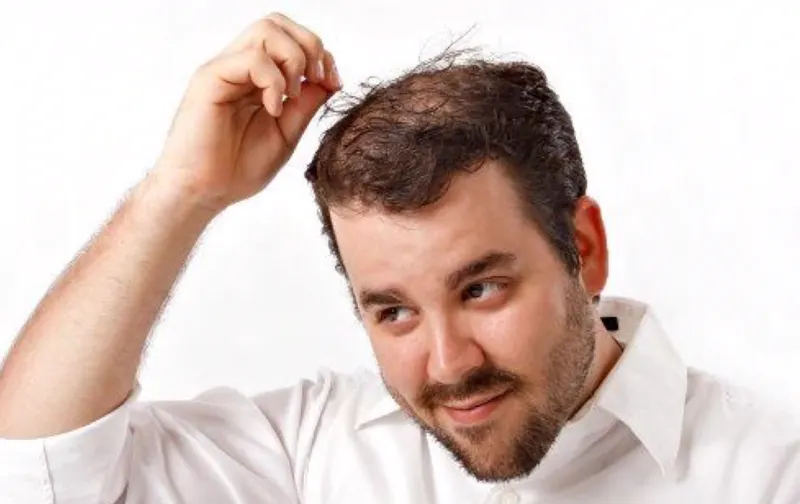
Hair loss is a gradual experience for many people. It may begin with a receding hairline, a widening part, thinning at the crown or a noticeable reduction in overall hair density. When these changes become more visible, a common question arises: can a hair transplant help restore the lost hair?
A hair transplant is a surgical procedure that moves hair follicles from a donor area, usually the back or sides of the scalp, to areas affected by hair loss. It is commonly considered for certain types of permanent, pattern-related hair loss. However, a transplant is not suitable for every type of hair loss, and the outcome depends on several individual factors.
This guide explains how hair transplantation works, who may be suitable, what happens during the procedure, how recovery progresses and what to understand before making a decision.
Understanding the basics
What is a hair transplant?
A hair transplant is a procedure in which hair follicles are taken from one area of the body and placed into another area where hair is thinning or absent. The area from which follicles are taken is called the donor area; the area receiving them is the recipient area.
In many cases, hair is taken from the back and sides of the scalp because these areas may retain hair more consistently in people with pattern hair loss. The transplanted follicles can continue producing hair once established — but the final appearance depends on donor hair quality, the pattern of hair loss, surgical planning and individual healing.
What can a hair transplant address?
Depending on the person's condition and suitability, it may be considered for:
A receding frontal hairline
Hair loss around the temples
Thinning or baldness at the crown
Reduced hair density in selected areas
Certain forms of eyebrow or beard hair loss
Correction of selected previous hair transplant results
The purpose is to redistribute available hair, not create an unlimited supply of new follicles.
Is it right for you?
The first question is not how many grafts you need
Before considering a procedure, it is important to understand the type and cause of hair loss. Hair transplantation is generally considered for selected people with permanent, pattern-related hair loss; other conditions may need medical treatment or further investigation instead.
What a specialist may assess
Your hair loss pattern
Is the hair loss concentrated around the hairline, temples or crown? Is it progressing, or are there isolated patches?
Your donor hair
Is there sufficient healthy donor hair to cover the intended area without excessively thinning the donor region?
Your scalp health
Are there any scalp conditions, inflammation or other concerns that need to be addressed first?
Your age and hair loss progression
How might your hair loss change over time? Planning only for the current pattern may not account for future thinning.
Your expectations
What degree of coverage are you hoping to achieve? Is that goal realistic given your available donor hair?
A consultation helps bring these factors together. It may also involve blood tests or other investigations when the cause of hair loss is unclear.
When might a hair transplant not be suitable?
A transplant may not be the appropriate first step when hair loss is caused by an untreated medical condition, active scalp disease, certain forms of alopecia or insufficient donor hair. In some cases, stabilising hair loss or treating the underlying condition should come first.
The important point: a hair transplant recommendation should follow an assessment, not replace one.
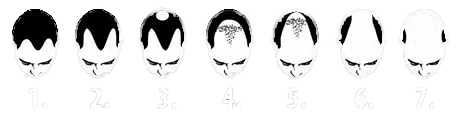
Where are you on the hair-loss scale?
Techniques
Understanding the different hair transplant techniques
Some terms describe how follicles are harvested, while others describe how they are implanted. Understanding this difference makes it easier to compare the options discussed during a consultation.
IGHT™
Insta Graft Hair Transplant
Developed by Dr Harsh Bharat Amin. Follicles are extracted and implanted almost simultaneously for better graft survival, higher density and precise control of angle and direction.
- Density up to 50–60 FU/cm²
- Minimal graft handling
- Long-hair & giga sessions
- Scalp, beard & eyebrows
FUE hair transplant
Follicular Unit Excision
Individual follicular units are removed from the donor area using a specialised instrument, then prepared and placed into the recipient area.
- No continuous linear scar — many small scars instead
- Donor area often trimmed or shaved
- May suit people who prefer shorter hairstyles
FUT hair transplant
Follicular Unit Transplantation
A narrow strip of hair-bearing scalp is removed from the donor area. Individual follicular units are prepared from this strip and transplanted.
- Donor area closed surgically
- Leaves a linear scar; visibility depends on healing and hairstyle
- Considered in selected cases
DHI hair transplant
Direct Hair Implantation
An implantation approach in which a specialised implanter device is used to place grafts into the recipient area.
- An implantation method, not a harvesting method
- Extraction and implantation are related but distinct decisions
- Suitability assessed at consultation
Sapphire FUE hair transplant
A variation of FUE
A variation of the FUE procedure in which sapphire blades are used to create recipient sites.
- FUE-based graft harvesting
- Sapphire blades create the recipient sites
- The instrument alone does not guarantee a better result
Which technique should you choose?
There is no single technique that is appropriate for every person. The choice depends on your donor area, hair characteristics, desired coverage, hairstyle preferences, medical history and the surgeon's assessment. A useful consultation should explain not only which method is being proposed, but also why it is suitable for your particular case.
Not just the scalp
Hair transplant for the head, beard and eyebrows
Hair can be restored wherever it matters to your face. The same careful follicle handling and design used on the scalp is used for beard, moustache and eyebrow transplants.
Scalp hair transplant
Restores a receding hairline, thinning crown or bald areas with your own donor hair.
- Receding hairline & temples
- Crown and mid-scalp thinning
- Scars from injury or burns
Beard & moustache transplant
Adds density and definition to a patchy or sparse beard or moustache, designed to your face shape.
- Patchy cheeks and jawline
- Thin moustache or goatee
- Scars within the beard
Eyebrow transplant
Rebuilds sparse, over-plucked or thinning brows with single-hair grafts placed at very fine angles.
- Sparse or thin eyebrows
- Over-plucked brows
- Gaps from scars or illness
Grafts & coverage
How many hair grafts do you need?
One of the most common questions before a hair transplant is: “How many grafts will I need?” A graft is a naturally occurring follicular unit that may contain one or more hair follicles — so the number of grafts is not the same as the total number of individual hairs.
The number required depends on the size of the area being treated, existing hair density, hair calibre, curl, contrast between hair and scalp, donor availability and the desired level of coverage. For example, restoring a receding hairline may need a different plan from treating a larger area that includes the frontal scalp and crown.
Why more grafts are not always the answer
Donor hair is limited. Extracting too much hair from the donor area can reduce its appearance and limit options for future procedures. The goal is to use the available grafts thoughtfully, balancing the recipient area's needs with the long-term condition of the donor area.
A graft estimate should follow an examination rather than rely on a photograph or a standard package.
The art of the hairline
A natural result is designed, not just transplanted.
A hairline that is too low, too straight or too dense looks artificial — and can use up donor hair you may need later. As a plastic surgeon, Dr Harsh Amin designs every hairline personally, balancing facial proportions, age and the way your hair loss is likely to progress.
Facial proportions
Height and shape planned to suit your face
Angle & direction
Grafts follow your natural growth pattern
Density distribution
Finer single hairs at the front, denser behind
Future-proofing
Donor hair kept in reserve for later loss
“Surgical precision, facial balance and honest guidance — every hairline is designed, never templated.”
Your procedure
What happens before and during a hair transplant
Hair transplantation is generally performed under local anaesthesia. The duration varies according to the number of grafts, the technique and the complexity of the case.
Before: preparation begins with understanding your hair
The planning stage helps establish whether a transplant is appropriate and what the procedure is expected to achieve.
- 1
Step 1: Discuss your hair loss history
When your hair loss began, how it has changed, family history, previous treatments, medical conditions and any medications you take.
- 2
Step 2: Examine your hair and scalp
The specialist evaluates the distribution of hair loss, existing hair density, scalp condition and donor area.
- 3
Step 3: Establish the diagnosis
The pattern and history of hair loss guide the diagnosis. Blood tests or other investigations may be recommended if a medical cause is suspected.
- 4
Step 4: Discuss your options
Depending on the findings, options may include medical treatment, monitoring, hair transplantation or a combination of approaches.
- 5
Step 5: Plan the procedure
If transplantation is appropriate, the plan covers the technique, proposed hairline, estimated graft requirement, donor management, risks and expected recovery.
- 6
Step 6: Receive pre-procedure instructions
Specific guidance about medications, smoking, alcohol, washing your hair, meals and other preparations for your procedure.
Do not stop prescribed medication or start a new medicine or supplement without advice from your treating clinician.
During: a step-by-step look at the procedure day
Although the details differ between FUE and FUT, the procedure usually involves the following stages.
- 1
Step 1: Hairline marking and planning
The planned recipient area is marked, and the design is reviewed before the procedure begins.
- 2
Step 2: Local anaesthesia
Local anaesthesia numbs the relevant areas. You may remain awake during the procedure.
- 3
Step 3: Graft harvesting
Follicular units are removed using the selected donor-harvesting technique.
- 4
Step 4: Graft preparation
The harvested grafts are handled and prepared for transplantation — their condition and handling matter.
- 5
Step 5: Recipient site preparation
The recipient area is prepared according to the plan, taking account of hairline design, direction, angle and distribution.
- 6
Step 6: Graft placement
The grafts are placed using the chosen implantation method.
- 7
Step 7: Post-procedure instructions
The scalp is checked, and you receive instructions for washing, sleeping, activity, medication and follow-up — including whom to contact about unexpected symptoms.
Does a hair transplant hurt?
Local anaesthesia is used to reduce pain during hair transplantation. You may feel brief discomfort while the anaesthetic is given, along with pressure or movement during parts of the procedure. After the anaesthesia wears off, some people experience tenderness, tightness, swelling or discomfort in the treated areas. The level of discomfort varies between individuals and procedures — your treating team should explain the pain-relief options, expected symptoms and when discomfort may need medical attention.
Preparing for surgery? Read ADORN's detailed instructions for before and after your procedure.
Procedure & aftercareRecovery & growth
Hair transplant recovery: what happens next?
Recovery is a process, not a single day. The scalp needs time to heal, and in the early period protecting the grafts and following your treating team's instructions are particularly important.
This is a general guide. Your own recovery may differ depending on the technique, procedure size and individual healing.
First 1–3 days
Initial healing
Mild discomfort, redness, swelling or small crusts may occur. Follow the instructions for sleeping, washing and protecting the scalp.
First 1–2 weeks
Protecting the grafts
The recipient area may develop small crusts. Avoid rubbing, scratching or disturbing the grafts, and follow your clinician's instructions about washing and physical activity.
Weeks 2–8
Temporary shedding
Some or much of the transplanted hair shaft may shed. This can be an expected part of the hair-growth cycle and does not necessarily mean the transplant has failed.
Months 3–4
Early growth may appear
New growth may begin to become visible, although the timing and amount vary.
Months 6–9
Changes become more noticeable
Some people see increasing coverage and changes in hair length and thickness during this period.
Months 10–18
Continued maturation
The appearance may continue to change as the transplanted hair grows and matures. Not everyone reaches their final result at the same time.
Results
Hair transplant results: what is realistic?
A successful-looking result is not simply about the number of grafts transplanted. A transplant can improve coverage in selected areas, but it cannot guarantee a particular density or recreate the exact hair you had earlier in life.
Hairline design
The hairline should be planned around facial proportions, age and likely future hair loss.
Hair characteristics
Hair thickness, curl and the contrast between hair and scalp affect the appearance of coverage.
Graft distribution
Placement across the hairline, frontal scalp and crown influences the overall look.
Donor hair quality
The available donor supply places limits on the coverage that can be achieved.
Individual healing and growth
Graft survival and hair growth vary from person to person.
Ongoing hair loss
Existing non-transplanted hair may continue to thin after the procedure.
Before proceeding, ask to see realistic examples of cases similar to yours, and discuss what those examples can — and cannot — tell you about your own likely outcome.
Risks
What are the risks and possible side effects?
Hair transplantation is a surgical procedure, and it carries risks even when appropriate precautions are taken. The likelihood and severity of these outcomes vary.
Before deciding, ask the treating surgeon to explain the risks relevant to your medical history and proposed procedure, how complications are managed and what follow-up care is available.
- Temporary swelling, redness, tenderness or discomfort
- Small crusts and itching during healing
- Bleeding or infection
- Scarring in the donor or recipient area
- Temporary numbness or altered sensation
- Poor or uneven hair growth
- An unnatural-looking hairline or hair direction
- Reduced donor-area density if too much hair is harvested
- The need for further treatment or corrective surgery in selected cases
Seek prompt medical advice if you develop severe or worsening pain, fever, spreading redness, significant bleeding or other unexpected symptoms after surgery.
Why ADORN
Surgeon-led care, from first visit to final result
Board-certified plastic surgeon
Every plan is made and every hairline designed by Dr Harsh Amin, with more than 18 years of experience.
Operation-theatre setting
Procedures are done in an equipped OT under aseptic precautions.
Magnification & fine instruments
Disposable micro-punches and magnification for careful graft handling.
Permanent in-house team
An experienced team that works with Dr Amin on every procedure.
600+ transplants
Patients from India and more than 45 countries.
Honest guidance
If a transplant is not right for you yet, we will say so.




Hair transplant cost
Hair transplant cost in Ahmedabad, Gujarat
Hair transplant costs can vary considerably between individuals and providers. There is no single price that applies to every procedure.
When comparing estimates, ask for a clear breakdown of what is included. A lower quoted price does not necessarily represent the same procedure, level of care or follow-up.
What determines the cost of a hair transplant?
- 01Number of graftsThe size of the area and the planned coverage influence the procedure.
- 02TechniqueThe selected harvesting and implantation methods may affect the time and resources required.
- 03Procedure complexityRepair cases, extensive hair loss and other individual requirements can make planning more complex.
- 04Medical team and facilityThe qualifications and roles of the professionals involved, along with the facility and care provided.
- 05What's includedConsultation, investigations, medication, follow-up visits and other services may or may not be included in a quoted fee.
Choosing well
How to choose a hair transplant surgeon
Choosing a hair transplant provider involves more than comparing photographs or advertised graft counts. Before making a decision, consider asking:
Who will perform the surgery?
Confirm the surgeon's identity, qualifications, relevant experience and role in each stage of the procedure.
Who will carry out the key steps?
Ask which tasks are performed by the surgeon and which are performed by other team members.
Why is this technique recommended?
The explanation should relate to your hair loss, donor area and individual goals.
What are the realistic limits of my result?
Ask about achievable coverage, donor limitations and the possibility of future hair loss.
What are the risks and additional costs?
Understand the potential complications, the complete fee and any possible future procedures.
What follow-up care is available?
Know whom to contact after the procedure and how unexpected symptoms or concerns will be handled.
A good consultation should leave you with a clear understanding of the proposed treatment — including its limitations — before you make a decision.
Surgery is one option
Hair transplant or hair loss treatment?
Hair transplantation redistributes hair follicles. It does not address every underlying cause of hair loss, and it does not necessarily prevent existing hair from thinning. Depending on the diagnosis, non-surgical management may be more appropriate, either on its own or alongside a transplant.
A medical treatment plan may involve prescription medicines, selected procedures or treatment of an underlying scalp or health condition. The right options depend on the type of hair loss, your medical history and the benefits and risks of each treatment.
If you are experiencing sudden, patchy or unexplained hair loss, seek a medical assessment before considering transplantation.
Hair transplant FAQ
Frequently asked questions about hair transplant
Your consultation will cover anything not answered here.
View all FAQsIs a hair transplant permanent?
Transplanted follicles can provide long-term hair growth, but results vary. Existing non-transplanted hair may continue to thin, and further treatment may be considered in some cases.
How long does a hair transplant procedure take?
The duration depends on the number of grafts, the technique and the complexity of the procedure. Your treating team should provide an estimate based on your plan.
How many days of rest are needed after a hair transplant?
Recovery and time away from work vary. Some people return to routine activities within days, while others need longer. Follow your clinician's advice, particularly regarding exercise and activities that may disturb the grafts.
When will I see the results?
Transplanted hair often sheds during the early weeks. New growth may become visible after a few months, with further changes over the following months. The timeline differs between individuals.
Can I cut my hair after a transplant?
Haircuts should be timed according to the healing stage and the instructions from your treating team. Ask specifically when you can use clippers or shave the donor area.
Can I undergo a hair transplant at a young age?
Age alone does not determine suitability. The pattern and progression of hair loss, donor supply, diagnosis and long-term plan all matter. Some younger people may be advised to manage hair loss medically and reassess later.
Can women undergo hair transplantation?
Some women may be candidates, but the cause and pattern of hair loss need careful assessment. Diffuse thinning or certain medical conditions may make transplantation unsuitable.
Does a hair transplant stop future hair loss?
No. A transplant does not stop the underlying process that may cause existing hair to thin. A clinician may discuss ongoing treatment or monitoring.
Is FUE better than FUT?
Neither technique is universally better. They differ in harvesting method, scarring and other considerations. The suitable option depends on your individual circumstances and treatment goals.
Can a hair transplant fail?
Hair growth and graft survival are not guaranteed. Poor growth or an unsatisfactory appearance can occur. Your surgeon should explain the relevant risks and the options if the result is less than expected.
Is a hair transplant safe?
Hair transplantation is a surgical procedure with potential complications. Individual risk depends on health, the procedure, the team and other factors. A qualified clinician should assess your suitability and explain the risks.
What is IGHT™ hair transplant?
IGHT™ (Insta Graft Hair Transplant) is ADORN's advanced hair transplant protocol, developed by Dr Harsh Bharat Amin. Follicles are extracted and implanted almost simultaneously with specialised instruments, and the whole process — diagnosis, hairline design, graft care, implantation and follow-up — is planned for natural, dense results.
Can hair be transplanted to the beard and eyebrows?
Yes, in selected cases. Follicles, usually from the back of the scalp, can be transplanted to a patchy beard or moustache and to sparse eyebrows, placed as fine grafts at shallow angles to follow natural facial hair.
Can someone else donate hair to me?
No. A transplant relocates your own follicles; hair from a relative, partner or friend is not a practical option.
Hair transplant in Ahmedabad, Gujarat: explore more
Continue learning about specific procedures, costs and treatment options.
Medical information on this page is for general educational purposes and is not a substitute for an individual medical consultation. Suitability, risks, recovery and results vary. Consult a qualified medical professional before making a treatment decision.